
Comprehensive Guide to Prostate Wellness: Managing Inflammation Naturally
TapFinds Men's Health Team
Updated: Holistic Wellness Guide
The prostate is a small, walnut-sized gland that plays a crucial role in the male reproductive system. However, as men age, it becomes increasingly susceptible to conditions like prostatitis (inflammation) and Benign Prostatic Hyperplasia (BPH). Understanding how to maintain prostate health is essential for long-term comfort and vitality.
Understanding Prostatitis
Prostatitis is the swelling and inflammation of the prostate gland. Unlike other prostate issues that primarily affect older men, prostatitis can affect men of all ages. It often causes pain or difficulty during urination and can manifest as a chronic, nagging discomfort in the pelvic region.
When to Seek Professional Help
If you experience severe pelvic pain, inability to urinate, painful ejaculation, or blood in your urine, it is crucial to consult a urologist immediately to rule out serious infections or other underlying conditions.
The Anti-Inflammatory Diet Protocol
What you eat has a profound impact on glandular inflammation. A diet rich in specific antioxidants can help reduce swelling and provide relief from chronic prostate discomfort.
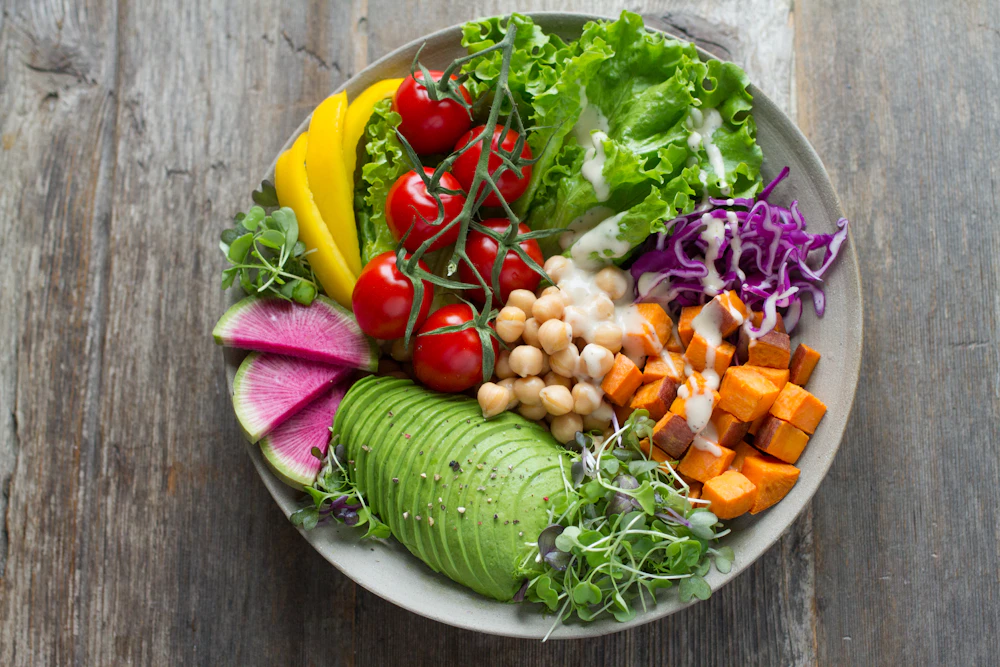
To support your prostate naturally, consider integrating these powerhouse foods into your daily routine:
- Tomatoes (Lycopene): Cooked tomatoes are incredibly rich in lycopene, a powerful antioxidant clinically shown to benefit prostate cell health.
- Pumpkin Seeds: High in zinc, which is highly concentrated in a healthy prostate gland. They also contain phytosterols that may shrink an enlarged prostate.
- Green Tea: Contains catechins (specifically EGCG) which have strong anti-inflammatory properties.
- Omega-3 Fatty Acids: Found in salmon, walnuts, and chia seeds, these fats help reduce systemic inflammation throughout the body.
Lifestyle and Pelvic Floor Health
Diet alone isn't always enough. The muscles surrounding the prostate (the pelvic floor) often hold tension, exacerbating the pain associated with prostatitis.

1. Hydration is Key
Drinking plenty of water helps flush bacteria from the bladder and urinary tract. However, it is advisable to limit caffeine and alcohol, as they can irritate the bladder and prostate.
2. Pelvic Floor Relaxation
While "Kegels" are famous for strengthening, men with chronic prostatitis often need to learn how to relax their pelvic floor. Deep belly breathing and targeted stretching (like the yogic "Happy Baby" pose or deep squats) can release pelvic tension.
3. Stay Active
Regular cardiovascular exercise improves blood flow to the pelvic region, promoting healing and reducing inflammation. Aim for at least 30 minutes of moderate activity most days of the week.
Disclaimer: This article is for informational purposes only and does not constitute medical advice. Always consult with a qualified healthcare provider for proper diagnosis and treatment.