
Understanding Hypertension: The Silent Killer and How to Stop It naturally
TapFinds Medical Research Team
Updated: Comprehensive Health Guide
Blood pressure is the force of your blood pushing against the walls of your arteries. Every time your heart beats, it pumps blood into the arteries. Hypertension, or high blood pressure, is a common condition where the long-term force of the blood against your artery walls is high enough that it may eventually cause serious health problems.
Why is it called the "Silent Killer"?
High blood pressure is often called the "silent killer" because it typically has no warning signs or symptoms, and many people do not know they have it. Measuring your blood pressure is the only way to know whether you have high blood pressure.
The Crisis Warning Signs
While usually silent, a hypertensive crisis (blood pressure over 180/120) may present with severe headaches, nosebleeds, chest pain, or vision changes. If these occur, seek emergency medical attention immediately.
The DASH Diet Protocol
The Dietary Approaches to Stop Hypertension (DASH) diet is highly recommended. This diet is rich in whole grains, fruits, vegetables, and low-fat dairy products. It emphasizes reducing saturated fat and cholesterol.

Potassium-rich foods like bananas, spinach, and avocados can also help lessen the effects of sodium on blood pressure. When adopting the DASH diet, consider these core principles:
- Reduce Sodium: Aim for less than 1,500 mg to 2,300 mg of sodium per day.
- Increase Potassium: Potassium helps your kidneys filter out excess sodium.
- Limit Alcohol: Drinking more than moderate amounts of alcohol can actually raise blood pressure.
Natural Lifestyle Interventions
Beyond what you eat, how you live determines the elasticity of your arteries. Small, consistent changes can lead to a significant drop in systolic pressure over time.
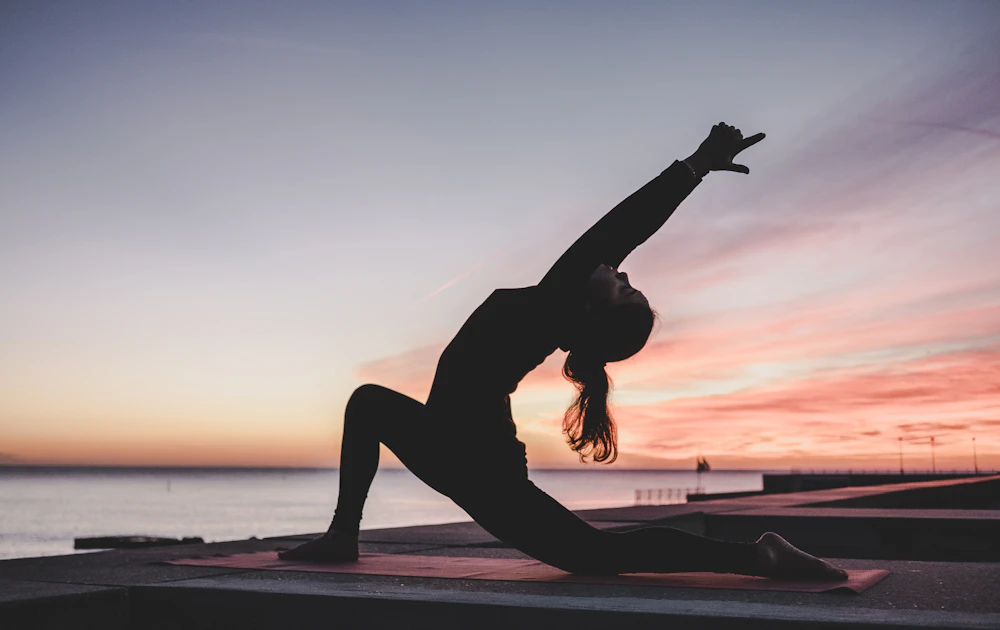
1. The Power of Movement
You don't need a heavy gym session. 30 minutes of brisk walking 5 days a week makes the heart stronger, allowing it to pump more blood with less effort, thus lowering pressure.
2. Stress Management
Chronic stress triggers the release of cortisol and adrenaline, which constrict blood vessels. Practices like deep breathing, 10 minutes of daily meditation, or spending time in nature can recalibrate the nervous system.
3. Quality Sleep Recovery
During deep sleep, the body naturally lowers blood pressure. Chronic insomnia or sleep apnea disrupts this cycle and is strongly linked to resistant hypertension.
Disclaimer: This article is for informational purposes only and does not constitute medical advice. Always consult with a qualified healthcare provider regarding your specific medical conditions.